

Persistent lower back and leg pain caused by spinal nerve compression can make even simple movements difficult. In many cases, these symptoms are the result of lumbar spinal stenosis, where the spinal canal narrows and presses on the nerves. A lumbar laminectomy, also known as decompression surgery, is designed to relieve this pressure and restore comfort and mobility.
As a board-certified orthopedic spine surgeon, Dr. Todd J. Albert has extensive experience performing complex spinal procedures with precision and care. He uses advanced imaging, surgical planning, and minimally invasive techniques whenever possible to achieve safe, predictable outcomes. At his New York City practice, Dr. Albert is committed to providing personalized treatment that helps patients regain mobility and return to active, pain-free living.
What Is A Lumbar Laminectomy?
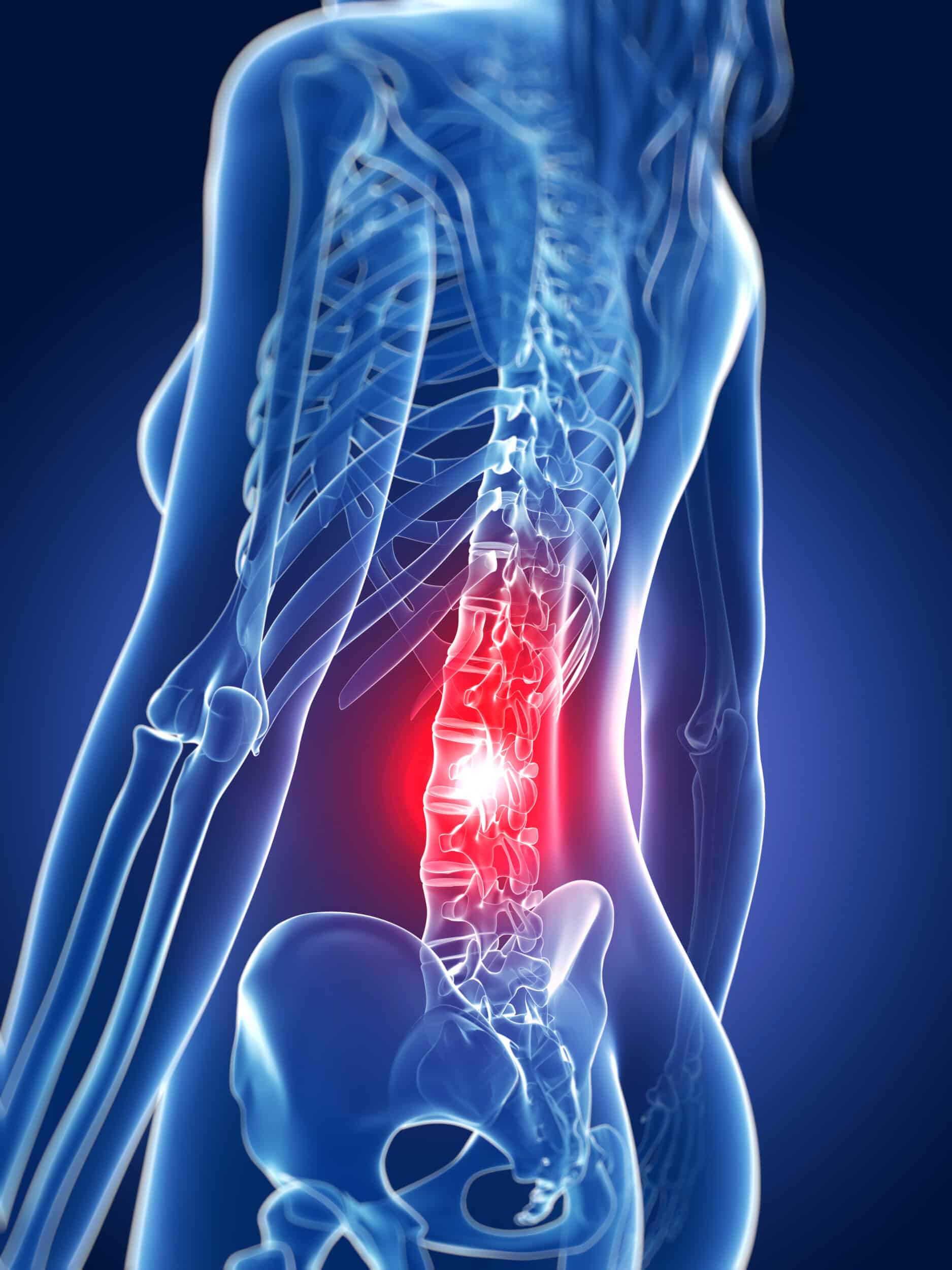
Sometimes known as decompression surgery, a lumbar laminectomy is performed to relieve pressure on the spinal cord or nerves. This pressure is usually caused by bony overgrowths within the spinal canal, which can be the result of spinal osteoarthritis. The surgery removes the lamina, the back part of the vertebra that covers the spinal cord.
Who Is a Good Candidate for Lumbar Laminectomy Surgery?
Lumbar laminectomy may be recommended for individuals whose spinal canal has narrowed to the point of compressing nerves in the lower back, a condition known as lumbar spinal stenosis. Candidates typically experience persistent leg pain, numbness, or weakness that does not improve with non-surgical treatments such as physical therapy, medication, or epidural injections.
Ideal candidates often have:

- Radiating pain or tingling that worsens with standing or walking
- Difficulty maintaining balance or performing daily activities
- Documented spinal cord or nerve root compression on imaging studies
- Progressive symptoms that interfere with mobility or independence
Dr. Todd J. Albert carefully evaluates each patient’s condition, reviewing MRI or CT results, medical history, and overall health before recommending surgery. For some, lumbar laminectomy may be combined with other procedures, such as spinal fusion, to stabilize the spine and prevent further degeneration. Patients with good bone health and realistic recovery expectations tend to achieve the best outcomes.
"Dr. Albert is without a doubt, the most gifted, competent and skilled spinal surgeon a patient could ask for. He is truly warm, compassionate, responsive to the needs of his patients and very caring. Dr. Albert performed a Lumbar Laminectomy a few months ago, and I am happy that I selected him to perform the procedure. Clearly, I have total confidence and trust in Dr. Albert, and he is a credit to the Hospital for Special Surgery.
Thank you Dr. Albert!"
How To Prepare For Your Lumbar Laminectomy Surgery
The preparation for this surgery is the same as any major surgery. We ask that you refrain from taking any non-steroidal, anti-inflammatory medicines, and certain supplements 10 days before your surgery such as:
- Aspirin, Advil, Aleve
- Herbal supplements
- Vitamins E & K
- Fish oil
If you have a physician who recommends that you do not stop taking aspirin prior to surgery, please be sure to discuss this with our office. If you smoke, you’ll need to stop for at least two weeks prior to your surgery. This helps strengthen your immune system and overall healing.
How Is A Lumbar Laminectomy Procedure Performed?
While a patient is under general anesthesia, a laminectomy is performed to the affected area of the back. After making an incision, muscles and ligaments are retracted in order to gain access to the spine. An x-ray device used during surgery helps visualize the structures of the vertebrae and accurately locates the area needing surgery.
Based on the extent of damage, the lamina may need either partial or full removal on both sides of the spine. Removing the lamina and other debris alleviates the spinal cord and nerve compression and symptoms improve. The procedure lasts from 1 to 3 hours on average.
Is Lumbar Decompression Surgery Painful?
Please keep in mind that pain is a very subjective experience and one’s reaction to surgery is affected by a variety of factors as mentioned above. It is not uncommon for a patient to experience “reminder” symptoms after surgery. These symptoms can often feel similar to the patient’s preoperative symptoms but not as intense. This is very common as patients recover. However, if you are concerned, please call the office to discuss your symptoms and concerns.
Recovery After Lumbar Laminectomy Surgery

Recovery following lumbar laminectomy is gradual, but most patients experience significant improvement in leg pain and mobility within the first few weeks. The exact timeline varies depending on the extent of the procedure and individual health factors.
Immediately after surgery, you’ll spend a short period in recovery before going home, often the same or next day. Walking is encouraged soon after surgery to promote circulation and reduce stiffness. Over the first two weeks, activity is limited to light movement and short walks, gradually increasing as strength returns.
By four to six weeks, most patients notice improved comfort and stamina. A structured physical therapy program begins once the incision has healed, helping restore flexibility, rebuild core strength, and support long-term spinal stability.
Dr. Albert provides personalized guidance during recovery, outlining clear activity restrictions and milestones. He and his team monitor progress closely to ensure safe healing and minimize complications. While residual soreness is expected early on, many patients regain the ability to perform daily activities without the pain or numbness they had before surgery.
Full recovery may take several months, but most individuals return to low-impact exercise and work activities far more comfortably than before the procedure. Dr. Albert’s focus on precise surgical technique and attentive follow-up care helps patients achieve durable, lasting relief.
What Results Can I Expect From Lumbar Decompression Surgery?
Laminectomy is very successful at relieving much of the pain and numbness that was caused by the nerve and/or spinal cord compression. Any weakness in the extremities that was linked to the compression should, for the most part, be alleviated. Laminectomy is better at improving leg pain caused by a compressed nerve than back pain.
However, the surgery won’t stop the process of aging on the spine. Plus, if spinal osteoarthritis was to blame, surgery won’t stop future buildup of bony growths. But, in the vertebra where the lamina was removed, a return to compression is unlikely.
Lumbar Decompression Testimonial
"MY LUMBAR LAMINECTOMY Dear Dr. Albert,
I am so grateful! This time of year, there are a lot of folks singing HALLELUJAH! ! ! and you can add me to the list …
As you predicted, post surgery, I have not experienced the symptoms that had been troubling me for the prior 6 months, and I’m just thrilled that your efforts have given me a NEW “LEASE ON AN ACTIVE LIFE”!
As I believe I mentioned, the folks that you were “working for” are pictured on the enclosed holiday card. And with three young children, its GREAT ! ! to be able to get around (without pain) to tend to their very active lives and busy schedules. So I thank you, thank you, thank you, and thank you some more!!!"
How Long Will I Be Out Of Work After My Lumbar Laminectomy?
The average length of time out of work after a laminectomy surgery is from 1-4 weeks. Patients who perform labor-intensive jobs are more likely to be out of work closer to four weeks.
When Will I Be Able To Drive After My Lumbar Decompression Surgery?
Most patients are able to begin driving short distances from one to two weeks after surgery. You may be a passenger in a car as soon as you feel up to it. We do advise that you refrain from driving while you are taking narcotic pain medication.
Are There Risks To Lumbar Laminectomy Surgery?
Since a laminectomy is a spinal procedure, it carries some risks. Some complications may include blood clot formation, postsurgical infection, nerve damage, breathing problems, or adverse reactions to medication/anesthesia. Despite the risks, the great majority of laminectomy surgeries are successful and uneventful.
Why Choose Dr. Todd J. Albert for Lumbar Laminectomy Surgery
With decades of experience as a board-certified orthopedic spine surgeon, Dr. Todd J. Albert is known nationally for his precision, compassion, and commitment to patient safety. He combines advanced surgical techniques with individualized treatment planning to achieve the best possible outcomes for each case. Dr. Albert’s expertise in minimally invasive and traditional spine surgery allows him to tailor every procedure to the patient’s anatomy and lifestyle goals. Supported by a dedicated team in New York City, he provides attentive pre- and post-operative care, ensuring patients receive comprehensive guidance from consultation through full recovery.
Call Dr. Albert For Lumbar Laminectomy In NYC!
If you are suffering from a herniated disc, Laminectomy Surgery might be the right option for you. Contact 917-277-4009 to schedule a consultation with Dr. Todd Albert, Orthopedic Surgeon in NYC.